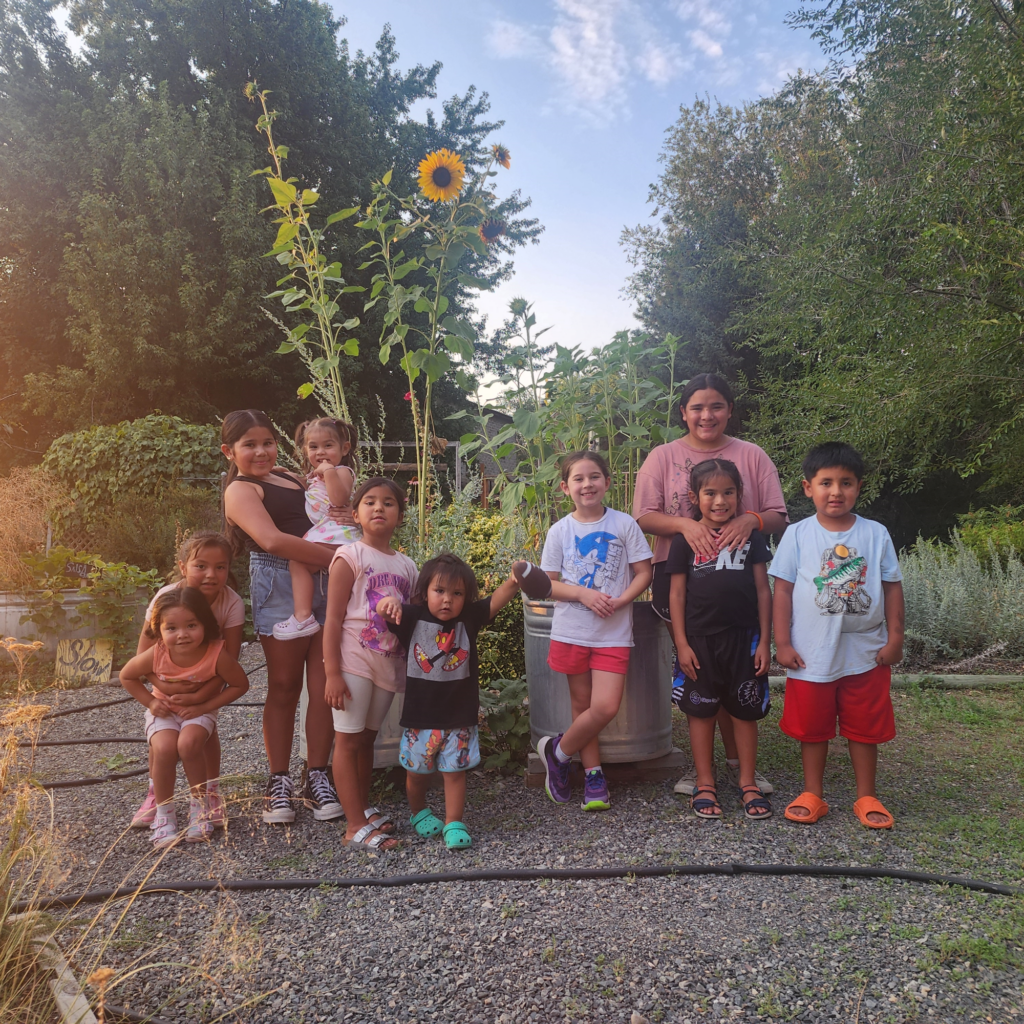
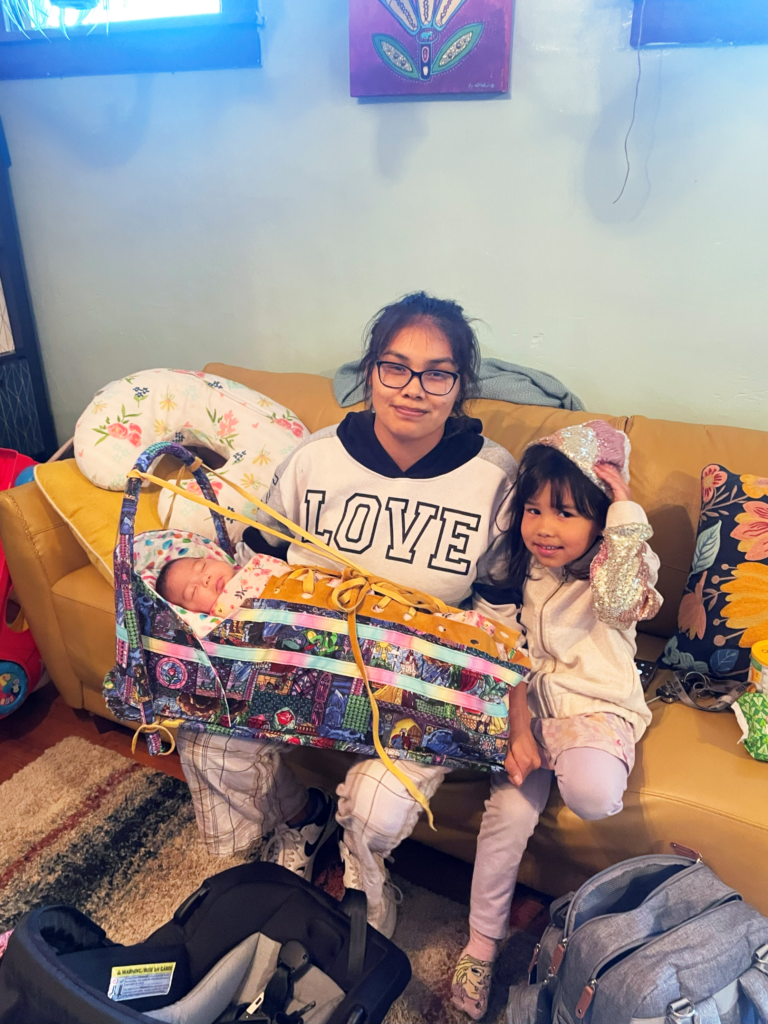
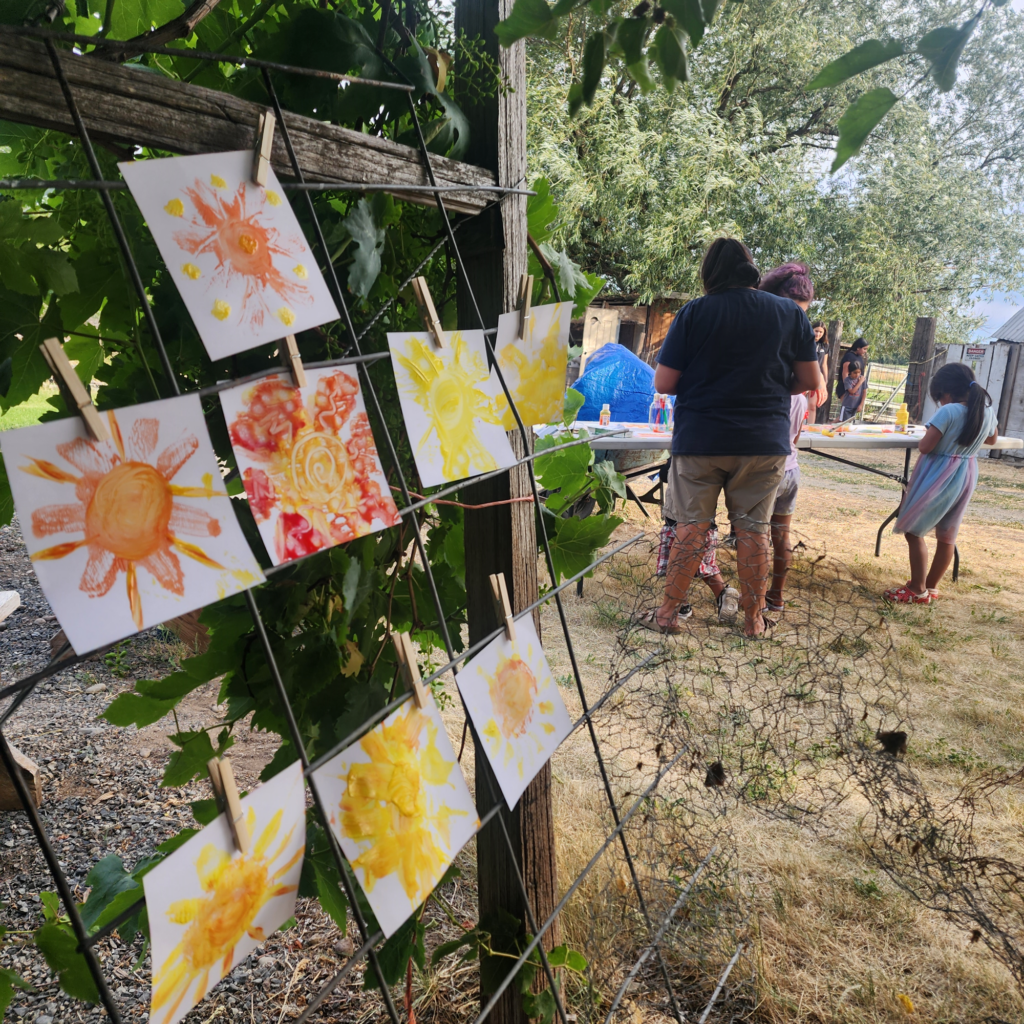
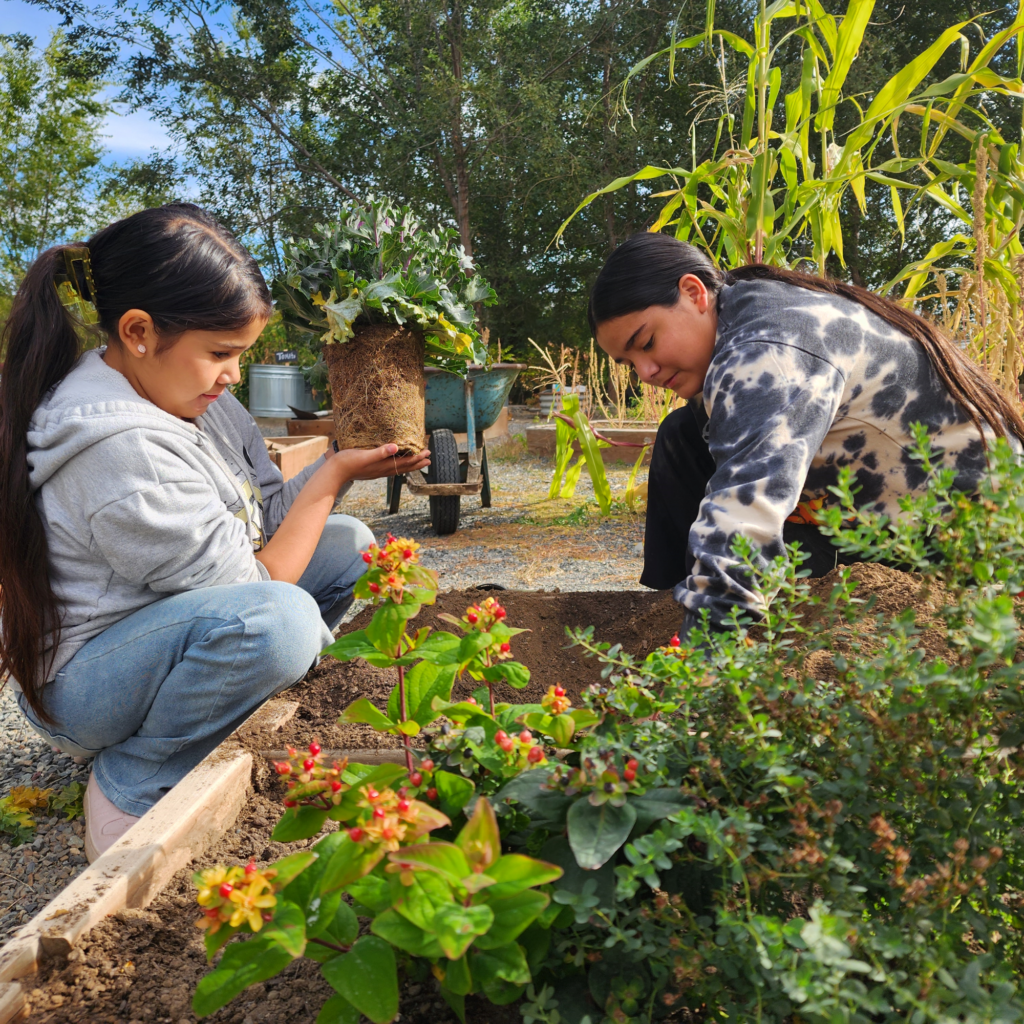
The Ttáwaxt Birth Justice Center, created and led by Native women, is a 501(c)(3) non-profit organization serving families on and near the Yakama Nation Reservation. We offer pre and postnatal care, reproductive healthcare, breastfeeding support, childbirth education, cultural classes, plant medicine, and other support for families. We center the wisdom of Indigenous life-givers and protectors, and know our cultural practices are vital to the continuance of the next generation and the healing. We are carrying out our mission through the revitalization of Indigenous intergenerational matriarchal practices and systems and by creating safe, Indigenous spaces where our families and communities can heal and thrive.
Featured on ABC News
ABC News’ Faith Abubey reports on maternity care deserts across the U.S. as labor and delivery units close, leaving thousands of women without access to proper prenatal and postnatal care.
Meet Our Team
We are Native women, life-givers & protectors with a range of training & expertise, including as doulas, in Indigenous childbirth education, breastfeeding, as well as cultural practices & language.
Team Members

Specialty Areas: Plant medicine, postpartum doula care, baby boards, sewing, teacher
Semone Dittentholer is Winnebago and Yakama Nation tribes. Mother to Ella, who is three years old. She has been part of Ttáwaxt Birth Justice Center since 2013 during the inception of the work. She is a Birth Justice Advocate and Doula for Ttáwaxt Birth Justice Center. Over the years she witnessed and experienced how colonized systems have impacted women and families on the Yakama Nation Reservation and is dedicated to deconstructing them. Her focus is learning how to gather, grow and use plant medicine to support healing for families, pregnant women, and postpartum. Semone’s passion is driven from the deep understanding of trauma and how to navigate healing through her spiritual journey.
Email: semoned@ttawaxt.org

Specialty Areas: Birth and postpartum doula, office manager, food sovereignty, baby boards, sewing, teacher, mother circle, elder apprentice, Ichiishkin language
Leslie Muxiis Swan is an enrolled member of the Confederated Tribes and Bands of the Yakama Nation and Chippewa Cree descent. Mother of five children between six to seventeen. As an Indigenous Birth Justice Advocate, doula for Ttáwaxt Birth Justice Center, and a language/cultural apprentice she loves instilling hope and healing in the community by creating ways for young families to reconnect with who they are as native people. Her favorite way of doing this is by teaching how to make baby moccasins/regalia, and cradle boards for expecting families. She grew up in White Swan, Washington at the base of the cascade mountains. She has followed traditional Yakama way of life gathering foods and medicines all her life. She believes strongly that connection to creator, mother earth, traditional foods and medicines, and return of language will heal the damages done by historical trauma.
Email: leslies@ttawaxt.org

Specialty Areas: Breastfeeding support, Indigenous childbirth education, medical provider education, babyboards, sewing, advocacy, Missing and Murdered Indigenous Peoples advocate
Tashina Nunez is descendant of the Confederated Tribes and Bands of the Yakama Nation, Snohomish, and Niimiipu tribes. She is a mother of three children ages twenty-four, twenty-two, and eleven years of age, a new grandmother, and has been married for over 25 years. She is a registered nurse, with a specialization in trauma and emergency room care for over fifteen years and a sexual assault nurse examiner for over twelve years. She was raised at her maternal grandmother’s home on the Yakama Nation Reservation in Washington State. Tashina is a Birth Justice Advocate at the Ttáwaxt Birth Justice Center, and is dedicated to serving her people through compassionate care, healing though food sovereignty, and food as medicine. Tashina provides Indigenous Childbirth Education and breastfeeding support to families. Her future goal is to obtain her degree and become a family nurse practitioner for her community with the goal of decreasing maternal and infant mortality among Indigenous people.
Email: tashinan@ttawaxt.org

Jessica Houseman-Whitehawk is a member of the Winnebago Tribe of Nebraska and Santee Sioux descendant. She currently serves as the Executive Director of Ttáwaxt Birth Justice Center. Starting with a GED she was able to earn her master’s degree in Public Health Services with a emphasis on community data collection, evaluation, and needs assessments. Throughout her career, she has worked in many positions locally, statewide, and nationally building public health programs and systems for tribal communities. She has three grown children she raised and one grandson. Jessica’s passion is fighting against oppressive systems and creating paths that honor tribal peoples’ history, culture, and strengths and ensuring Indigenous people are honored. She strives to build an organization with her team that is rooted in honoring restoration, justice, and repair from the impacts of colonialism. She has been serving indigenous families the majority of her life and fights for systemic change and justice in the maternal and child health field. She believes all of the solutions for thriving communities are carried with our Indigenous people.
Email: jessicahw@ttawaxt.org
Board of Directors

Shelby grew up in White Swan where she saw people struggle with a litany of chronic, serious, and often life-threatening health issues. Inspired by her relatives who pursued their education and served in the military, Shelby joined in high school and became a critical care flight nurse. Afterward, she attended Yakima Valley College and set her sights on pursuing higher education.
Shelby is the first Native American graduate of Heritage University’s Bachelor of Nursing program. She earned her Doctor of Nursing Practice from the University of Washington in 2022. Inspired by her family’s legacy in nursing and her experience in Indian Health Service facilities, she is passionate about improving public health through systems and policy change.

Cindy Gamble, MPH, CLC. Cindy is a citizen of the Central Council of Tlingit and Haida Indians of Alaska, and of the Kaax’oos.hittaan
(Man’s Foot Clan.) She has worked to support the health of women, birthing people, children and families as a childbirth educator, school family life educator, DV/IPV prevention advocate and Tribal Health Director. Currently Cindy works as a Tribal Community Health Consultant with the American Indian Health Commission (AIHC) as lead for their Maternal Infant Health and WIC and Nutrition projects. She represents the AIHC on a variety of state agency committees and work groups including the WA State Maternal Mortality Review Panel. Cindy is currently the vice-president of the Ttawaxt Birth Justice Board and the past president of Nutrition First. Cindy believes that the health and strength of Native families and communities begins with healthy mothers and babies, and integrating the wisdom and ways of our elders and ancestors into our daily lives. Cindy and husband Jerry have 3 adult children and 5 grandchildren.

I am of this land, born and raised on the Yakama Indian Reservation. I am a proud mother of 2 children, who’s had a hand is raising many. I am married to an amazing tattoo artist. My passion for my community is embedded in my soul. I started out teaching at Head Start, which lead me to changing my educational goal to Social work. I received my BSW from Heritage University. I find joy in reading, running and baking. My mom would always say “When you are called to serve, there is no other qualified than you because God qualifies your call” I was very fortune to work along my mother Carmanita’s side as the program director for the past 14 years. After her untimely passing, I stepped into this role as the Executive Director. It is my honor to server my community.

Dila is the executive director at Open Arms Perinatal Services. Dila has worked in public health and advocacy locally and internationally, including time spent as a doula for Open Arms.
She earned both a Master of Public Health and a Master of Social Work at the University of Washington, after starting her career as a health educator at 19. She went on to spend 12 years helping to build and manage innovative and complex programs designed to improve the health of vulnerable populations, including mothers, children, families, and people living with or affected by HIV. Dila has managed several large-scale federally funded interventions but believes that small organizations, even when working with minimal resources, are still the most effective at creating lasting and transformational change.